Sound familiar?
What we hear from law firms
- An email arrived with “updated wiring instructions,” and it looked real.
- Attorneys work from home, court and the office, on devices nobody manages.
- Client files sit in personal email and on laptops that aren’t encrypted.
- A client or malpractice insurer asked how you protect their information.
- Nobody can say for sure the firm’s files would come back after ransomware.
- Your current IT provider takes days to respond.
What we handle
How we help law firms
Email security and wire-fraud protection
Filtering for spoofed senders, multi-factor sign-in on every mailbox, and a simple call-back check before any payment change.
Cybersecurity →Encrypted devices, secure remote access
Laptops and phones encrypted and managed, with secure access to firm files from home, court or the office.
Cybersecurity →Client files you can recover
Client files and email backed up automatically, with test restores, so a bad day doesn’t become a lost matter.
Backup & Recovery →Support that keeps pace with deadlines
An engineer responds fast during business hours, so a broken laptop doesn’t threaten a filing.
IT Support →New York rules
The rules we help you meet
NY Rule of Professional Conduct 1.6(c)
Lawyers must make reasonable efforts to prevent unauthorized disclosure of, or access to, client information. New York lawyers also need a CLE credit in cybersecurity, privacy and data protection.
How we help: Email security against payment-redirect scams, multi-factor sign-in, encrypted laptops and secure access to client files.
NY SHIELD Act
Requires reasonable safeguards for personal information like ID numbers, account numbers and logins. Small businesses can scale safeguards to their size.
How we help: Multi-factor sign-in, access controls, encryption, backups, monitoring, staff training and secure device disposal.
NY breach notification law
If personal information is exposed, affected New Yorkers must be notified within 30 days, along with state agencies.
How we help: An incident response plan, and records that show what was accessed so you can act quickly.
NY Labor Law 203-d
Employee Social Security numbers can’t sit in files anyone can open, appear on badges or be posted publicly.
How we help: Locking down HR and payroll folders, with regular checks on who has access.
We help you meet the technology side of these rules. We don’t give legal advice, and some rules apply only above certain sizes or to certain licenses, so confirm your obligations with your attorney or compliance advisor.
A typical setup
What it looks like in practice
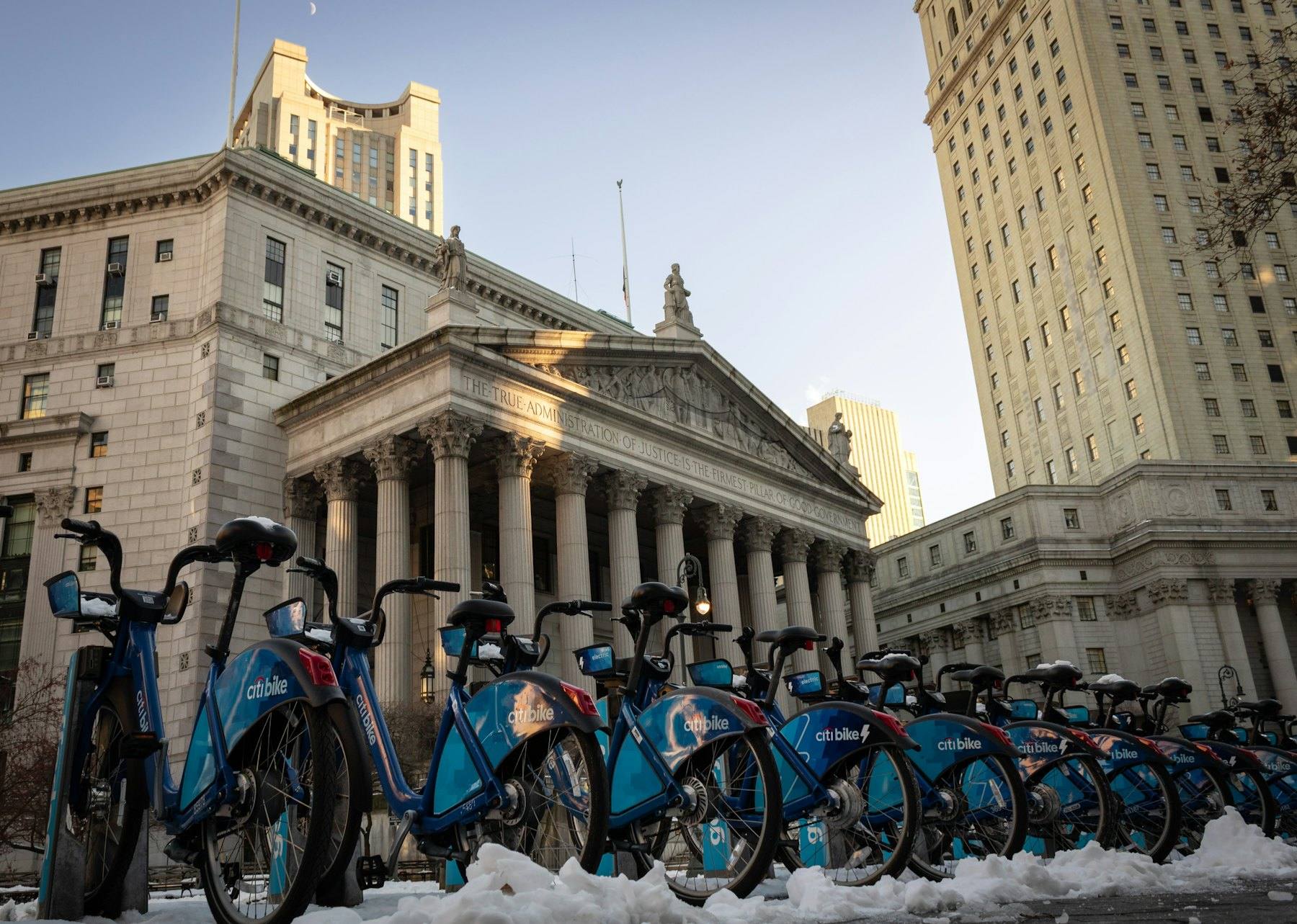
Picture a 6-attorney firm in Lower Manhattan. Attorneys split their days between court, home and the office, and a paralegal handles closings that move real money.
We’d encrypt every laptop and phone, protect every mailbox with multi-factor sign-in and spoofing filters, set a call-back rule for payment changes, give attorneys secure remote access to client files and back everything up with regular test restores.
We’ve done work for New York law firms, so we know confidentiality comes first.
What to expect working with us
- Contact requests get a reply the same day during business hours; after hours, the next business morning.
- On-site visits within 1–2 business days when the job needs hands-on work, across NYC, Yonkers and Westchester.
- Month to month. No long-term contract.
- A written plan and quote before any purchase or project.
- Multi-factor sign-in and device protection on every account and computer within about 30 days of onboarding, often sooner.
Our plans cover business hours. Work outside those hours is available and billed hourly.
FAQ
Questions from law firms
Can you stop payment-redirect email scams?
We can make them much harder: filtering spoofed senders, multi-factor sign-in on every mailbox, a call-back rule for any change to payment details, and short training so your team spots them.
Will you have access to client files?
Only the access needed to support your systems, and we’ll sign a confidentiality agreement.
Can attorneys work securely from home and court?
Yes. We set up encrypted laptops and secure remote access so files stay protected wherever you work.
Does Rule 1.6 require specific technology?
It requires reasonable efforts, not a specific product. We help you put sensible safeguards in place and document them; your ethics counsel can advise on the rest.
Other industries: Small Businesses & StartupsCreative & Talent AgenciesProfessional ServicesSchools